Why Pride?

David Meche-Case Manager

It’s Pride Month and we at OHCC would like to celebrate our friends, family, and co-workers. David Meche, one of our case managers, wrote a blog about the importance of Pride and why we still need to celebrate it’s significance. It’s time to Live and Love Out Proud!


June is National LGBTQI+ Pride month!  Originally commemorating the Stonewall Riots in June 1969, Pride is an opportunity to celebrate the contributions, progress, and goals of the queer community.  Despite the advancement in visibility, acceptance, and rights of sexual minorities, the need for Pride continues.  So…

 WHY PRIDE?

 History

Pride began as a recognition of the historical fight for human rights by the LGBTQI+ community. We are indeed still searching for our historical identity that’s been obscured and denied.  We celebrate pride for the achievements of those we’ve lost or have been erased.  We are grieving the generation lost to HIV and AIDS.  We are mourning the voiceless.  We lift up those who made sacrifices before us so that we can live authentically.  Pride is to ease the struggle for future generations of LGBTQI+. We celebrate pride today as a validation of our humanity and equality in the face of oppression as it still exists today. 

 Family

The queer community is creating families.  The non-traditional is becoming traditional.  What hasn’t changed is that love creates a family wherever it exists.  Pride is thanking the families who embrace their children no matter how they identify or who they love.  Pride is for those that have two mommies or two daddies.  Pride is for allies, friends, and community.  But Pride is also for the children who have been disowned.  Pride is for the discrimination we have faced and the pain we have endured. Pride is the bravery it takes to defend the vulnerable.  It is to achieve the potential and rally against the obstacles faced by all those who identify as LGBTQI+. 

 Health

Sexual minorities and gender non-conformists face health unique health challenges.  Pride is where we address sexual, physical, and mental health in the LGBTQI+ community.  As HIV/AIDS continues to be an epidemic, Pride is a time where we have a heightened platform to discuss PrEP, STI testing and treatment, and sexual health education.  We focus on gender affirming medical care, aging, and family planning for LGBTQI+.  Nearly half of LGBTQI+ youth have considered suicide in the last year according to a survey from the Trevor Project.  At Pride we recognize the toll that stigma takes and emphasize the importance of mental health care.  Pride is about protecting people of trans experience from violence.  We need pride to continue to improve the wellbeing of the LGBTQI+ community because we are equally deserving of health and happiness.

 Diversity

We need Pride to celebrate diversity within the LGBTQI+ community and examine how the queer community treats all of its own members.  As we ask society for acceptance, we need to improve that which we give to each other.  At Pride we recognize intersectionality of race, orientation, identity, disability, age, and income.  Our strength is the inclusivity that we earn.

 For these reasons and countless more, we still need Pride.  

  https://www.thetrevorproject.org/survey-2022/

Grief during the Holidays

Grief during the Holidays

Grief is the response to loss, particularly to the loss of someone or some living thing that has died, to which a bond or affection was formed. Although conventionally focused on the emotional response to loss, grief also has physical, cognitive, behavioral, social, cultural, spiritual, and philosophical dimensions.

More stressful, grieving the loss of a loved one while coping with the fear and anxiety related to the COVID-19 pandemic can be especially overwhelming. Social distancing, “stay-at home-orders,” and limits on the size of in-person gatherings have changed the way friends and family can gather and grieve, including holding traditional funeral services, regardless of whether the person’s death was due to COVID-19.

After losing someone or something we loved well, we find ourselves in the strange and unsettling world of grief. We wonder who we are now and how we go on with our lives.

As well, a person may feel grief due to loss of a job; inability to connect in-person with friends, family, or religious organizations; missing special events and milestones (such as graduations, weddings, vacations); and experiencing drastic changes to daily routines and ways of life that bring comfort. You may also feel a sense of guilt for grieving over losses that seem less important than loss of life. Grief is a universal emotion; there is no right or wrong way to experience it, and all losses are significant.

Rather self and/or helping others, coping with grief isn't so difficult as it may seem. Below are coping strategies to help with emotions and feelings of grief:

  • Acknowledge your losses and your feelings of grief.

  • Find ways to express your grief. Some people express grief and find comfort through art, gardening, writing, talking to friends or family, cooking, music, gardening, or other creative practices.

  • Consider developing new rituals in your daily routine to stay connected with your loved ones to replace those rituals that have been lost.

  • People who live together may consider playing board games and exercising together outdoors.

  • People who live alone or are separated from their loved ones may consider interacting through phone calls and apps that allow for playing games together virtually.

  • If you are worried about future losses, try to stay in the present and focus on aspects of your life that you have control over right now.

Keeping in Mind….

Everyone grieves in a different way. Some people are numb and in shock. They can't cry for months, and then the floodgates open. Others cry constantly. Be prepared for numbness, or nonstop talking, or mood swings, tears, or anger. It's a roller coaster of emotions.

Remember, It’s Okay!

So, you may wonder, “How can I help someone that is Grieving?”

When giving emotional help to someone grieving, don't be afraid to tell the bereaved you are sorry and talk about the deceased. Anecdotes from friends about experiences they shared with the loved one can be a great comfort. So many people are afraid to even mention their names. Share the grief, talk, help, and share some tears. Don't worry if you don't know what to say, actions speak louder than words. To give support to someone grieving, you can do the following:

  • Send: cards, flowers, messages, cooked meals, cakes, food baskets. It helps to know that people are thinking of you and that the loved one was appreciated by others too.

  • Offer: to do shopping, give lifts, take your friend on outings, to do odd jobs around their home such as helping with the laundry or mowing the lawn.

  • Help: to pack up the deceased belongings if needed. Take them to the charity shop if your friend can't face it.

  • Encourage: your friend to go back to normal daily living activities, exercise, join groups, to keep active.

  • Suggest: a visit to the doctor or counselor if you suspect they are getting depressed.

Keep in Mind……

For those who are grieving, the holidays can be unfamiliar terrain. Whether you celebrate Thanksgiving, Christmas, Hanukkah or Kwanzaa, this time is filled with fond remembrances of loved ones who are on your mind yet absent from your traditions and rituals. Acknowledging the difficulties of holidays after loss does not make a potentially difficult time any easier but preparing for the holidays by tapping into helpful coping strategies may provide some much-needed help. Since I have been working in the counseling profession and working with persons that are grieving a loss of a person, or a loss that may occur which relates to life circumstances, I have come across the three Cs for Holiday Grief. It has even helped me with my own grieving process through the years.

Three Cs for Holiday Grief by Dr. Kenneth J. Doka

Grief Expert, Kenneth J. Doka, PhD, shares his three Cs to help through difficult times through the holidays.

CHOOSE

During the holidays, it’s easy to drift into activities that have the potential to increase your pain. You have choices. Decide what you want to be part of, who you want to be with, and what you want to do.

COMMUNICATE

Discussing your choices with others, especially those affected by them, is important. They have needs as well. Their ways of dealing with grief may be different.

COMPROMISE

Each person deals with loss in his or her own way and therefore has different needs. There is no right or wrong way to grieve. Leaving space for compromise is important.

Remember, “You Matter and It’s Okay.”


As I close, I would like to share that nothing changes the fact that the holidays can be especially difficult while grieving. But if you choose your actions, communicate your choices to others, and find suitable compromises, you may find that they become bearable and that you have renewed strength and hope.

-Carrie Davidson, LPC, NCC


Resources for Article and about Grief:

1. https://www.cdc.gov/mentalhealth/stress-coping/grief-loss/index.html

2. https://www.therapistaid.com/therapy-worksheet/stages-of-grief-education

3. https://www.therapistaid.com/therapy-guide/grief-psychoeducation-guide

4. https://www.talkspace.com/blog/types-of-grief/

5. Developed from Journeys with Grief: A Collection of Articles about Love, Life and Loss, edited by Kenneth J. Doka, Ph.D., MDiv., copyright Hospice Foundation of America, 2012.

Resources for Grief Services and Support in the Baton Rouge Area to the following links:

1. Grief Recovery Center of Baton Rouge - https://www.grcbr.org

2. Hospice of Baton Rouge - https://hospicebr.org

Resources for Grief Groups in the Baton Rouge Area

1. https://www.griefshare.org/countries/us/states/la/cities/baton_rouge

2. Grief Recovery of Baton Rouge – www.grcbr.org

Resources for Grief National

SAMHSA Hotline - https://www.samhsa.gov/find-help/national-helpline 1-800-662-4537

National Alliance for Mental Hahttps://www.nami.org/


Carrie Davidson, LPC, NCC


COVID-19 Booster Shot Q&A

COVID-19 Booster Shot Q&A

We spoke to our mobile clinic’s nurse practitioner, Kristie Carazo to learn more about the COVID-19 booster shot now available at Open Health. Ms. Carazo has given over 4,000 vaccines since COVID-19 started and she along with health officials recommend getting a booster shot to protect yourself and our community.

What is a booster shot?

Vaccines do a great job at protecting us from serious diseases. Some vaccines can protect us forever after receiving the vaccination while others weaken over time and our body needs more than one shot of the vaccine to "Boost" our immunity. This extra shot is called a booster dose. Vaccines that we receive as kids to protect us against tetanus need a booster dose. Research shows that people will need a booster of the COVID-19 vaccine also.

Who is eligible to receive the booster shot?

Anyone who has received the Moderna/Pfizer vaccine 6-months after they receive their second dose.  As of today, people who have moderately to severely weakened immune systems can receive a third dose 28-days after receiving their second dose. This includes people who have been receiving cancer treatments, have had organ and stem cell transplants or severe primary immunodeficiency such as untreated HIV.

Does this mean my vaccine is no longer protecting me?

Kristie Carazo, FNP-C

The protection you have from a vaccine can gone down over time. Research into the Moderna and Pfizer vaccines show that a booster dose is needed to increase your protection to COVID-19. An extra COVID-19 vaccine dose could provide your body with more antibodies to help protect you from COVID-19 and the Delta variant.

Could a booster cause side effects?

Booster vaccines have the potential to cause side effects that you may have experienced after your initial dose. But everyone is different and each person can have different reactions to the booster.

Could you mix and match vaccines?

Yes, people will receive a booster dose of either Moderna or Pfizer depending on which vaccine they initially received.

What if I received the Johnson & Johnson vaccine?

You can choose which booster to receive from the Moderna or Pfizer vaccine.

Call us at 225-655-6422 to schedule your booster shot appointment.

Increasing Awareness of Domestic Violence

Increasing Awareness of Domestic Violence

Lynn Schlossberger, LPC

Increasing awareness of domestic abuse is like aiming your camera at a bird in flight.  It keeps changing, as stress increases.  According to the National Coalition Against Domestic Violence, 36% of Louisiana women experience abuse from an intimate partner in their lifetimes, and so do 35% of Louisiana men.  Most who are severely injured or murdered are women.   East Baton Rouge Parish has had 25 domestic violence murders so far in 2021, compared to 19 in all of 2020.   In vulnerable populations – anyone marginalized by race, ethnicity, sexual orientation, or disability – the national rate of intimate partner violence over a lifetime may be closer to 50%, according to the director of the Center for Survivor Agency and Justice.  Between 2016 and 2018, rates across the US increased significantly.  During the first year of the pandemic, with reduced social contact and fewer resources, some cities reported a 20% jump in frequency.  It’s another form of pandemic, hidden in plain sight.  

Domestic violence, according to NCADV, is the willful intimidation, assault, or abuse that is part of a pattern of power and control by one intimate partner against another.  Abusers feel entitled to be in control of their partner at all times.  No group is immune.  Stereotypes are useless: abusers can look like normal, friendly, productive members of society.  We don’t know what goes on behind closed doors, and so we have to wake up to the warning signs.

Abuse is more obvious when it leaves visible bruises, but words can do profound damage too.  Abusers blame, shame, and intimidate their partners with threats of violence if they displease their abuser.  They often accuse their partners of wrongdoing, as if that somehow justified the violence.  They might punch the wall, hide the car keys, break the partner’s cellphone, or use it to check up on them a hundred times a day, control their credit card, isolate them from loved ones, threaten to hurt the dog, or threaten to seek custody of the kids if the abused partner complains.  Survivors of abuse – the term “victim” is stigmatizing – have good reason to hesitate to leave.  The time when the risk of violence is most severe is during the process of leaving an abusive relationship. 

Leaving an abusive relationship is hard.  Beyond fear of being assaulted, many survivors struggle because they lack resources.  They worry about supporting themselves or their kids.  They worry they will not be believed, particularly by law enforcement, but often by family or faith community as well.  And of course, they reminisce about the good times.  When the perpetrator of violence calms down, they often apologize, buy flowers, and promise it will never happen again.  The truth is that the psychopathology behind domestic violence does not go away on its own, and the next time is usually worse.  Treatment of perpetrators is available, and it is a long process.

Might someone you care about be at risk? Here are some warning signs.  Do they have injuries for which the explanation sounds fishy?  Do they manifest a decline in self-esteem?  Are they preoccupied by checking in with their partner?  Missing appointments without a clear reason? Ask them if something is wrong at home.  Be somebody it is safe to tell.  Choose a moment when they feel safe.  Avoid lecturing.  If you are a mandated reporter, include the person in a conversation about how to keep them safe.  Model calm in the midst of a storm.  Above all, be safe yourself.

For help 24/7, call the National Domestic Violence Hotline at (800) 799-7233.

Suicide Prevention & Awareness

Suicide Prevention & Awareness

Victoria Young, MS, LPC, NCC

Victoria Young, MS, LPC, NCC

The month of September is dedicated to preventing suicide and instilling hope in communities across the nation. A large focus for Suicide Prevention Month pivots education. Suicide is preventable and one way to prevent suicide is to educate individuals on risk factors, warning signs, how to have conversations with loved ones when they are struggling with suicidal ideation or other somatic features, and provide resources that are available.

Untitled design (22).png

 Though it might seem improbable , suicide affects all people. Within the past year, about 41,000 individuals died by suicide, 1.3 million adults have attempted suicide, 2.7 million adults have had a plan to attempt suicide and 9.3 million adults have had suicidal thoughts. Also, according to the  Centers for Disease Control and Prevention (CDC) Data & Statistics Fatal Injury Report for 2019; retrieved February 9, 2021, suicide is the 10th leading causes of death. Figuratively, when conceptualizing the stereotypes within the realm of mental health the current statistics could reflect a substantial increase due to the contemporary mental health stigma which prevents many people from reaching out and asking for help. Being aware of the warning signs could reduce both suicide attempts and deaths. Also, using verbiage free of jargon by asking the simple question, “Are you having thoughts of suicide?” could ultimately save a life.

 Remembering that there is no single reason why someone might contemplate suicide. Suicide does not discriminate by age, gender, wealth, race, religious preference or sexuality. Someone thinking about suicide may be experiencing symptoms of a mental illness or they may NOT. Someone thinking about suicide may have a variety of life stressors that could include but may not be limited to: grief ( anticipatory, sudden, complicated) financial destitution or lack of economic support, relationship complexities, losing a job, changes in health, or another significant life change.

 What are some warning signs of suicide?

Most common warning signs that someone may be thinking about suicide include:

  • Changes in mood

  • Giving away prized possessions

  • Putting final affairs in order

  • Withdrawing

  • Changes in physical appearance

  • Prior suicide attempts

  • Alcohol or drug use

  • High-risk behaviors

  • Making statements with themes of hopelessness, helplessness, and fear of becoming a burden

  • Making verbal suicide threats, such as “I want to die” or “I’m going to kill myself”

  • Feeling like a burden

  • Being isolated

  • Increased anxiety

  • Feeling trapped or in unbearable pain

  • Expressing hopelessness

  • Sleeping too little or too much

  • Talking or posting about wanting to die

  • Making plans for suicide

 How can you help someone who might be suicidal?

 If you are concerned about someone, ask them: “Are you having thoughts of suicide?” Or ask, “Are you having thoughts of killing yourself?” Simply asking one of these questions can save a life.

Unfortunately, there are many misconceptions  regarding  suicide. One of them is that if you ask a person if they are having thoughts of suicide, you are planting the seed for that individual to engage with self injurious behavior that will contribute to them carrying out their plans for suicide. This is not true. Actually, asking the question opens the door for that person to share personal thoughts, feelings and experiences. If a person is thinking about suicide, STOP, LISTEN, and REACT.  Help that individual access resources. 


Confidential crisis help is available 24/7 by phone:

For more specific resources for those struggling with suicide within the Baton Rouge metropolitan area. 

  • The Bridge Center Baton Rouge
    Website

  • THE PHONE Baton Rouge (225-924-3900)
    24-hour crisis counseling and emotional support line serving the Greater Baton Rouge Area.

  • THE PHONE LSU (225-924-LSU1)
    24-hour crisis counseling and emotional support line serving the students of Louisiana State University (LSU).

  • KIDLINE (1-800-CHILDREN)
    Kidline is an anonymous, toll-free, statewide telephone service offering crisis intervention, support, parenting information and referrals to community resources within the state of Louisiana. KIDLINE counselors are available 24 hours per day – 7 days per week.

  • VIA LINK Call Center (211)
    Capital area, Greater New Orleans Area, and Northshore Website


The signs of crisis is all around us. Society depicts  that someone who is suicidal is a person who is in  a permanent situation.  We must work together to debunk and banish that stigma and stereotype. We must work as a team to help society realize the importance of helping others seek treatment and show individuals the importance of addressing their mental health challenges so suicide is not an option. Eliminating the stigma starts by understanding why suicide occurs, being aware of the warning signs, assisting ones with accessing specific resources for those struggling with suicide, and advocating for mental health awareness within our communities. 

References

 Centers for Disease Control and Prevention. (2014). Preventing Suicide. U.S. Department of Health and Human Services. 

https://www.cdc.gov/suicide/pdf/preventing-suicide-factsheet-2021-508.pdf

Centers for Disease Control and Prevention. (2019). Suicide rising across the U.S. U.S. Department of Health and Human Services. https://www.cdc.gov/vitalsigns/suicide/


Victoria YoungMS, LPC, NCC

Men's Mental Health:  Why Talking About it is Still Taboo

Men’s Mental Health

Six million American men suffer from depression every year. Many men attempt to treat mental illness themselves, and in the process, 1 in 5 men eventually develop alcohol or drug abuse.  Some try to cut out difficult emotions by attaching their self-worth to the successes in their work and social lives.  According to the National Institute of Mental Health, men are 4-times more likely to commit suicide than women.

Stigma about mental health is deadly.  Men deny their symptoms because they learn that acknowledging emotional pain is a sign of weakness, and asking for help is shameful.  However, depression does not disappear just because we ignore it; when it goes untreated, male depression may appear as insomnia, irritability, needless conflict, somatic complaints, or anger. This is "toxic masculinity": a portrayal of manhood that requires a guy to always be tough, in control, to resist change, and never to be vulnerable.  Those who are bound by a toxic masculine self-image often repress their emotions, even pleasant ones.  They are more likely to disrespect women, distrust others, be homophobic, and refuse to eat vegetables.

What is the best way to apply sunscreen (4).png

Symptoms of male depression are hard to detect because men hide them. Other medical conditions, such as diabetes or heart disease, camouflage them, as, of course, do alcohol and other street drugs.   For older men, a drop in testosterone levels is also associated with symptoms of depression.  When men don't bring it up, caregivers may ask about emotional pain, the pain of the heart, with the same attention one might give to a question about a pain in the chest.  All pain deserves help.

The truth is that nobody is exempt from experiencing sadness, disappointment, or self-doubt.  Men and women are prone to depression and other mental illnesses, such as bipolar disorder, but men are less likely to get help.  Manic symptoms of bipolar can lead to poor decision-making and negatively affect your life.   90% of those diagnosed with Schizophrenia in early adulthood are men.  Psychosis, like depression, is a brain function, not a character flaw.  Hiding your symptoms won't make them go away, don't be ashamed to ask for help.

Lynn Schlossberger, LPC

Every Man Needs A Health Plan

Pride Month & Men’s Health Month

Allan Edmunds, FNP-C

Allan Edmunds, FNP-C

Men's health is particularly relevant in June because it's Men's Health Month and Gay Pride month. What better time than now to highlight the need for men to see a medical provider for their primary and sexual health care needs. As a Federally Qualified Health Center, Open Health's HAART Clinic offers an array of specialized services to our patients, including wellness visits, PReP/PEP, Hepatitis C treatment, HIV testing, and more.

LGBTQ+ Health

Recent studies have shown that "most LGBTQ patients want to be able to share their sexual orientation or gender identity with their healthcare provider but are often reluctant to open up because they fear they may be treated badly or even refused care." Open Health wants to change that. We aim to create an inclusive and culturally sensitive environment to reduce the stigma that LGBTQ patients experience. We strive to provide affordable, quality health care guided by our core values of commitment, compassion, diversity, integrity, and quality. We encourage all men—gay, straight, bisexual, and transgender—to see us for their annual medical visits as well as their regular sexual health care and STD screenings.

Men's Overall Health

Untitled design (5).png

Congress also feels that men’s health is of national importance, passing a bill in 1994 declaring the week before Father’s Day as men’s health week. This year in celebration of Father’s Day on Sunday, June 20, we encourage everyone to wear blue in support of their father, husband, son, or brother. For all the mothers, sisters, daughters, wives, and friends, we want you to: Encourage him to get seen! The sad truth is that statistically, men die five years earlier than women. Men are also less likely to have health insurance, impacting a man’s ability to be involved fathers, supportive partners, and engaged community members. Fortunately, most of the reasons for men’s shorter and less healthy lives are preventable! Health prevention starts with men seeing a health care provider regularly. These doctor visits help establish a patient’s baseline blood pressure, weight, and health status, plus the provider can check for issues like prostate cancer, depression, high cholesterol, and heart disease. Men can catch potentially dangerous conditions early by receiving annual check-ups and screenings, especially when they are still treatable. If you are sexually active, STD screenings are also important at any age. Statistics show men and women over the age of 65 now represent an increasingly large proportion of the STDs reported annually in the USA.

How to observe National Men’s Health Month

Tweak your Diet

Men's Health Month is an excellent opportunity to change the way you eat. Cut back on alcohol this month or up your intake of healthy fermented foods like sauerkraut and kefir. You can do anything for a month, and if you do it for a month, you can do it for life!

Set some goals

Use this month to take control of your health now and think about where you want it to be. Do you want to lose weight? Gain muscle? Eat more vegetables. Set small and achievable goals and work with your doctor to make them a reality.

Get educated

Take this opportunity to read about the common health issues specific to men and how you can prevent yourself from getting hurt! Check out the CDC for information on health issues that men face.

Allan Edmunds, FNP-C

Resources:

www.menshealthnetworks.org

www.health.org

Community Advisory Board

Join Open Health’s Community Advisory Board

Help improve the client services and patient care at Open Health. The new community advisory board (CAB) meets monthly to discuss ways to improve our health center. CAB members serve as a link between the patients, the community, and Open Health. Please call Dr. Barney at (225) 655-6422 or pick up an application at the clinic front desk.

5.png
6.png

COVID-19 Vaccine Clinic

Updated 3/22/2021 per new state vaccine guidelines.

Covid-19 Vaccine - Web Banner.png

Now Offering Drive-Thru COVID-19 Vaccines

Open Health is now offering COVID-19 vaccines in a convenient drive-thru clinic. Schedule an appointment with our nursing staff by calling us at (225) 655-6422.


Information about Vaccine Drive-Thru Clinic

Do you qualify to receive the vaccine? You must meet one of these requirements:

  • Pregnant women of any age

  • Adults 18+

DigitalAd_MobileInterstitial_Vaccine-th.jpg

Do I have to be a patient of Open Health to get the COVID-19 vaccine?

No. Anyone can get the vaccine as long as they meet the requirements listed above.

Do I need an appointment to get a COVID-19 vaccine thru our drive-thru clinic?

Yes! Appointments are required. Please call us at (225) 655-6422 to schedule your COVID-19 vaccination. 

What should I bring to my vaccination appointment?

  • Photo ID

  • Insurance card

  • Personnel working in the qualifying fields listed above must bring a paystub or badge to their vaccine appointment.

Contact us:

If you have questions, please call us at (225) 655-6422.


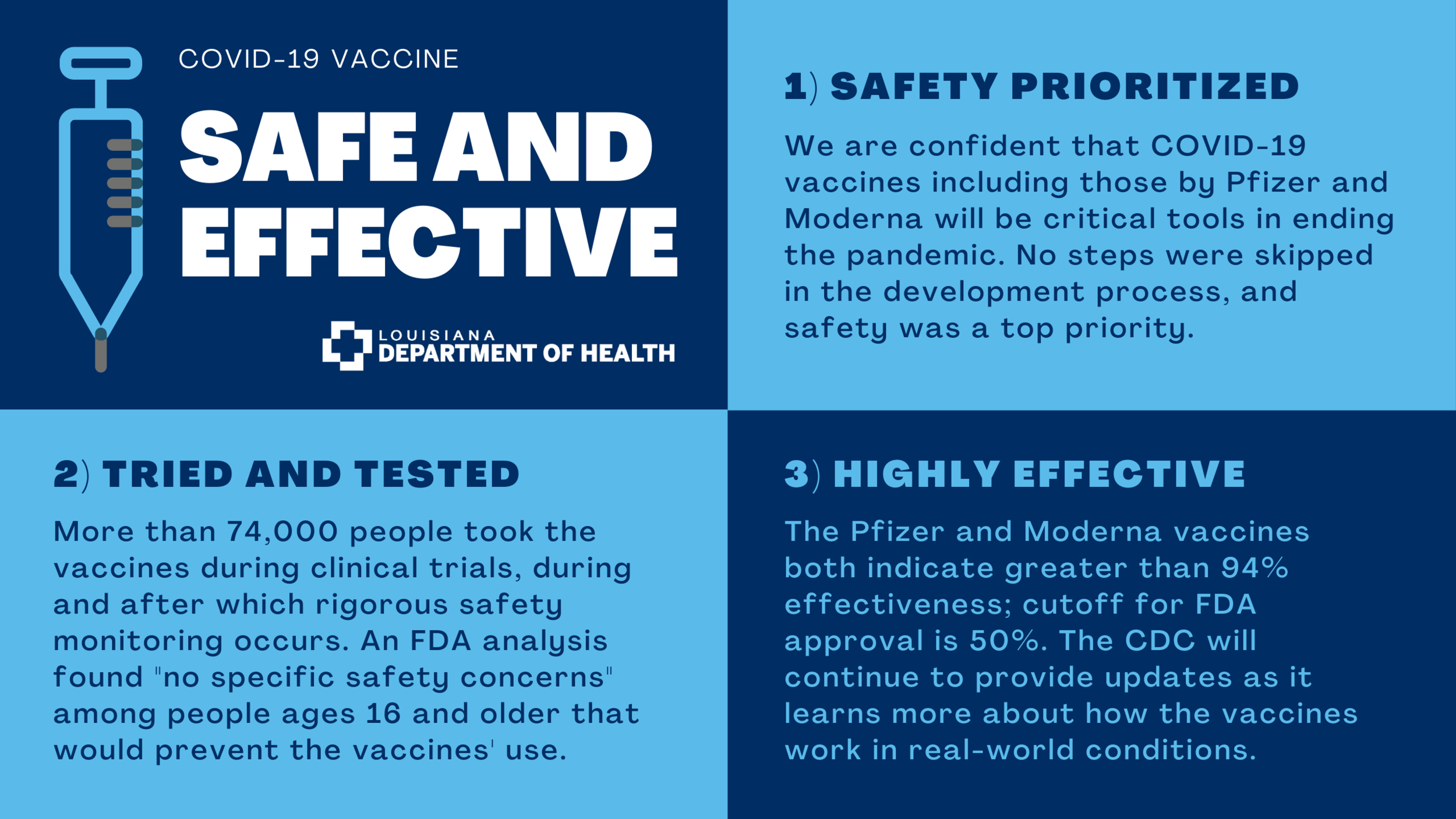
Vaccine-Safe-Effective-FB.png

Information about the covid-19 vaccine

COVID-19 vaccination will help protect you from getting COVID-19. You may have some side effects, which are normal signs that your body is building protection. These side effects may affect your ability to do daily activities, but they should go away in a few days.

How many vaccine shots do I need:

Open Health will give you two shots, 28 days apart. We will schedule your second shot when we make your appointment for your first vaccine shot.

Throughout the rest of your body

  • Fever

  • Chills

  • Tiredness

  • Headaches

On the arm where you got the shot

  • Pain

  • Swelling


Have more questions about the covid-19 vaccine?

Visit the CDC to learn more about the COVID-19 Vaccine. https://www.cdc.gov/coronavirus/2019-ncov/vaccines/faq.html


We will update this site as additional information becomes available. 3/22/2021

National Children’s Dental Health Month

National Children’s Dental Health Month

Tamma Gray.jpg

According to the CDC, Tooth decay (cavity) is one of the most common chronic diseases of early childhood even though it is preventable.

Cavities occur when a buildup of dental plaque “eats” at tooth enamel causing a hole in the tooth to form. Plaque is a sticky substance that covers the teeth, and it is formed when bacteria in the moth combines with food and saliva.

Tips to decrease risk of cavities include:

·        Brushing twice a day for at least 2 minutes to prevent a buildup of plaque. Children under the age of 6 should be supervised by an adult to maximize efficiency.

·        Parents should refrain from putting infants approximately 6 months of age and older to bed with bottles filled with milk, formula or juice. According to the American Academy of Pediatrics, most children who are seven or eight months of age no longer need to feed during the night. If your child must have a bottle to sleep, slowly dilute the milk or juice with water over a few weeks until your child is only drinking water.

·        Parents should encourage a diet for their children that is low in sugar and refined carbohydrates and increase fresh veggies, fruit and protein intake.

_BLOG POST ALERT - Dental  (1).png

·        Schedule regular Dental Checkups. Dental exams are scheduled every 6 months. At each visit, the dentist will look for any signs of regular tooth decay, remove dental plaque and apply fluoride which can reverse and stop early decay in children.

·        Having your dentist apply Dental Sealants. Dental Sealants are plastic coatings that are usually placed on the chewing (top) surface of the permanent back teeth to help protect them from decay.

Poor oral health, including cavities and infections, can have a lifelong impact on a child. If you have any questions or concerns about cavity prevention, please contact our Dental Providers at Open Health Care Clinic.

Tamma Gray, DDS

Cervical Cancer Awareness Month

Cervical Cancer Awareness Month

DIGITAL SINAGE CERVICAL CANCER .png

January is Cervical Cancer Awareness Month.  In recognition of this, let’s take a few minutes to talk about cervical cancer, and the ways to prevent it. Did you know that at one time cervical cancer was one of the leading causes of cancer deaths in the United States?  However, in the last 40 years, these numbers have been cut in half due to vaccines and cancer screenings.   

Scientists discovered that HPV, or Human Papilloma Virus infections that last a long time greatly increase the risk of cancer.  HPV is an infection passed through sexual activity.  Your risk for HPV is increased when you have more than one partner, but anyone who has ever had sex (even once!) is at risk for HPV.   There are a lot of different types of the HPV virus.  Some cause genital warts and some cause cancer.  Fortunately, there is a vaccine that can protect us against several of the HPV strains that are most likely to cause cervical, vulvar, vaginal, anal, and penile cancer.  According to American Cancer Society (ACS), the HPV vaccine protects against the types of HPV that cause 90% of cervical cancers. Ninety percent - now, that’s worth talking about!! 

  Ask your healthcare provider about being immunized today.  The HPV vaccine was originally given only to teens; however, the Centers for Disease Control and Prevention (CDC) has advised that even more people should get vaccinated.  The CDC now says that anyone age 26 or younger should get the vaccine.  Folks ages 27 - 45 should talk to their health care provider to learn if the HPV vaccine could benefit them as well.   Getting regular pap smears can also greatly decrease your risk for invasive cervical cancer.  Cervical cancer is one of the slowest-growing cancers, and routine screening can help to see worrisome changes in the cervix before these changes become cancer.  Other things that increase your risk for cervical cancer include cigarette smoking, a depressed immune system (which can be caused by living with HIV, certain medications or other conditions), and a high number of childbirths.   

 Lindsay Haislip, FNP-C

 Lindsay Haislip, FNP-C

For folks born as female, it is recommended that you complete a pap smear every 3 years if you are under 30 years old.  Once you turn 30, this screening can be extended to every 5 years, based on your risk and HPV test results.  If your provider tells you to repeat this testing sooner, it’s very important to follow up.   The ACS estimated that 260 people in Louisiana would develop cervical cancer in 2020.  Every single one of these cases could be prevented with timely screening and vaccinations.  Talk to a healthcare provider today about the best way to protect your sexual health! 

 Lindsay Haislip, FNP-C

Resources:  

https://www.cdc.gov/cancer/cervical/statistics/index.htm 

https://gis.cdc.gov/Cancer/USCS/DataViz.html 

https://www.cancer.org/content/dam/cancer-org/research/cancer-facts-and-statistics/annual-cancer-facts-and-figures/2020/cancer-facts-and-figures-2020.pdf 

https://www.immunize.org/askexperts/experts_hpv.asp 


Get to Know Your Thyroid

Get to Know Your Thyroid

Warren Fraser, MD

Warren Fraser, MD

January is Thyroid Awareness Month! To learn more about the thyroid, a small gland of the endocrine system, we interviewed our Endocrinologist, Dr. Warren Fraser.

Where is your thyroid & what does it do?

The thyroid, located at the bottom of your neck, is a butterfly-shaped gland that controls your metabolism helping your body turn food into energy. Your thyroid may only take up a small portion of your body, but it plays many roles in keeping you healthy. The thyroid produces two hormones (T-3 and T-4), which affects your heart rate, breathing patterns, and how much weight you can gain or lose. The thyroid can affect other bodily functions such as your body temperature and cholesterol levels.

What are common problems people have with their thyroid? What are the causes and symptoms of these problems?

Hypothyroidism

Hypothyroidism or underactive thyroid is when your thyroid produces fewer hormones than a normal thyroid gland should. Your body needs a certain number of thyroid hormones so your body can produce the energy it needs to function. If your thyroid is producing fewer amounts of hormones compared to the average person, then it can cause you to have less energy than usual.

Symptoms

  • Overly tired

  • Fatigue

  • Weight gain

  • Feeling cold

  • Dry skin

Causes

  • Hashimoto’s disease is one of the main causes of Hypothyroidism. Hashimoto’s disease is an autoimmune disorder, a condition where your immune system attacks your body, and can cause swelling or inflammation of the thyroid gland.

  • Thyroiditis can also be caused by other conditions such as a viral infection.

 Hyperthyroidism

Untitled design.png

Hyperthyroidism or overactive thyroid is when your thyroid makes too many hormones. An overactive thyroid produces too much of a hormone called thyroxine (T-4). When your thyroid gland produces too many thyroxine hormones, your metabolism can speed up and cause you to lose weight and experience other unusual symptoms.

Symptoms

  • Mood swings

  • Shakiness

  • Fatigue

  • Feeling warm or hot

  • Weight loss

  • Fast heartbeat

Causes

  • Graves’ disease causes your immune system to function incorrectly and is one of the main causes of Hyperthyroidism, especially for women under 40-years-old.

  • Lumps of tissue placed in your thyroid, called nodules, can produce too many hormones, and may cause the thyroid to become overactive.

  • Thyroiditis, an infection that causes your immune system to function incorrectly, can affect your thyroid by causing it to swell and release more hormones than usual.

Thyroid Cancer

  • There are four different types of thyroid cancer, papillary, follicular, medullary, and anaplastic. Typically, all thyroid cancers that are found in the early stages can be successfully treated. Tests that examine your thyroid, neck, and blood are used to find and diagnose thyroid cancer.

Symptoms

  • A lump or swelling on the side of the neck (most common symptom)

  • Trouble breathing

  • Trouble swallowing food or drinks

  • Hoarse voice

Causes

  • There are no clear causes of thyroid cancer, but some likely causes are: radiation around the neck area, especially at a young age or inherited from a family member. 

What should you do if you are experiencing symptoms related to thyroid problems?

If you are feeling thyroid health-related symptoms like the ones listed above, you should talk to your provider. Untreated symptoms, especially over long periods of time, can cause serious health problems.

How can you keep your thyroid healthy?

Your thyroid is an important part of your body, so we should always keep its well-being in mind. Keeping your thyroid healthy may not just help your thyroid but also your all-around physical health. Eating a well-balanced diet does your body good. Stay away from processed foods with preservatives or sugar and fat replacements. These types of foods can cause inflammation or problems with your immune system. Remember to eat plenty of fruits and vegetables and don’t forget your proteins!

THYROID SM POST.png

Salmon and anchovies are a good source of lean protein, as well as almonds and other nuts. Fish and other seafood are also good sources of iodine. Iodine is essential to include in your diet because your body does not produce it naturally. However, it is still needed for your thyroid to produce hormones.

 Always remember to take care of your thyroid, and your thyroid will take care of you!


Watch out for Seasonal Affective Disorder (SAD)

Watch out for seasonal affective DISORDER (SAD)

This is the season when days are shortest, with only 10 hours of sunlight. Have you noticed an unwelcome change in your mood, not related to the things that typically create distress in your life? It might be Seasonal Affective Disorder (SAD), a form of depression that is triggered by reduced exposure to sunlight.

Depression can interfere with quality of life in many subversive ways: it can cause you to feel lethargic, down for most of the day, discouraged, with defeatist thinking, or loss of interest in things that you usually enjoy. SAD, its chilly weather cousin, can also lead to oversleeping, craving of carbs, and unexplained fatigue. 

Untitled design.png

There are several causes of SAD; your biological clock may be disrupted by reduced exposure to sunlight. It may also be caused by a drop in Serotonin, a brain chemical that regulates mood, due to lack of exposure to the sun.  Low levels of Vitamin D, the “sunshine vitamin,” is also suspected of contributing to this drop. Our internal circadian rhythm of sleep and wakefulness changes so gradually, in response to the shifting balance of light and darkness as the seasons change, that it is easy to overlook incremental changes in our mood. January is a good time to become mindful of any lull we may feel in our energy and emotional availability. 

Good news: several remedies for SAD are readily available.  If you can, adjust your schedule to include as much outdoor time as possible.  Vitamin D supplements are often helpful. Several common antidepressant meds work by increasing your level of Serotonin. Make a deliberate choice for a self-nurturing activity you may have neglected, even if you’re not in the mood. Consider chocolate. For people who already experience depression, SAD is an unwelcome addition, and counseling can help. 

Best of all, spring is coming.

Lynn Schlossberger LPC

For more information on Seasonal Affective Disorder, visit: http://bit.ly/ohcc_SAD

What is Diabetes?

What is Diabetes?

Diabetes is a condition in which the body does not properly process food for use as energy. Most of the food we eat is turned into glucose (sugar) for our bodies to use for energy. The pancreas makes a hormone called insulin to help glucose get into the cells of our bodies. When you have diabetes, the pancreas either does not make enough insulin or cannot use its own insulin as well as it should, resulting in a build-up of sugars in the blood referred to in diabetes as "sugar."

2.png

Type 1 Diabetes

Type 1 diabetes (insulin-dependent diabetes) is the most severe form of this disease. It usually develops in children and teenagers, but people of all ages can develop type 1 diabetes. In type 1 diabetes, when the body's immune system attacks the insulin-producing islet cells in the pancreas, it becomes known as an autoimmune disease. The islet cells are responsible for sensing glucose in the blood and producing the right amount of insulin to cover blood glucose. Once the insulin-producing cells are destroyed, a person can no longer make their own insulin. Without insulin, the sugar stays in the blood and builds up, and as a result, the body's cells starve. If left untreated, high blood sugar levels can damage the eyes, kidneys, nerves, and heart and can also lead to coma and death.

Type 1 Symptoms:

  • Rapid and unexplained weight loss

  • Extreme weakness and fatigue

  • Blurred vision

  • Nausea, vomiting, and abdominal pain

  • Increased thirst

  • Extreme hunger

  • Unusual irritablity

  • Unpleasant breath odor

  • Itchy skin

  • Increased urination (bed-wetting may occur in children who have already been toilet trained.)

Type 1 diabetes is treated by taking insulin injections or using an insulin pump or other device. This outside source of insulin now serves as the "key" to bring glucose to the body's cells. Deciding on the daily dose of insulin to take can be a complicated balancing act. Taking too much insulin will drop a blood sugar to a dangerously low level known as hypoglycemia (life-threatening). However, taking too little insulin will increase blood sugar to a dangerously high level, known as hyperglycemia.

1.png

Type 2 Diabetes

Type 2 diabetes (adult-onset diabetes typically develops after age 35) is the most common form of diabetes. With type 2 diabetes, the pancreas can produce some insulin, but often not enough to cover total glucose intake. The symptoms of type 2 diabetes are similar to those of type 1 diabetes. But the onset of type 2 diabetes is usually slower, and the symptoms are not as noticeable as those for type 1 diabetes.

The treatment plan for type 2 diabetes typically includes diet control, exercise, home blood glucose testing, and in some cases, oral medication, and/or insulin.

How Do We View Diabetes?

At Open Health Care Clinic, we view diabetes as a "Self-Management" disease. We understand how someone develops diabetes can differ from person to person.

How Do We Treat Diabetes?

We individualize treatment based on our patient's current living conditions, needs, affordability, and fears related to diabetes. We teach patients the importance of daily blood glucose checks and exercising to decrease cellular resistance. We also provide a hands-on demonstration of how to count carbohydrates and read a food label effectively. We take time to learn our patient's response to their medication, encouraging their thoughts and suggestions while building their individualized treatment plan. Our goal is to individualize each patient and provide them with the latest diabetic technology, including an insulin pump and continuous glucose monitor.

What Makes Us Different?

Christie Cooper, FNP-C

Christie Cooper, FNP-C

We take pride in building a lifetime rapport with each patient in their diabetic journey, starting with their initial visit. We schedule weekly visits to help maintain and improve blood glucose results, decreasing the overall insulin needs while watching the Hemoglobin AIC decrease. We enjoy teaching lifetime diabetic principles while watching our patients apply the knowledge to their daily lives. We strive to provide our diabetic patients with direct access to care/management seven days a week, 24 hours a day, enabling them to self-manage their diabetes.

Christie Cooper, FNP-C

Drive-Thru Flu Clinic

now Offering drive-thru flu shots

Flu Ads.png

Drive-Thru Clinic Services:

  • Flu Shot

    • Must be 18 years and older

  • Flu Testing

    • Must be 12 years and older

  • COVID-19 Testing

    • Must be 2 years and older

Insurance and Payment Options:

  • Most Insurance Accepted

  • Medicaid

  • Medicare

  • Sliding Fee Scale

Hours

  • Monday - Friday 8:00am-4:30pm

Location:

3905 North Blvd., Baton Rouge, LA. 70806


fight the flu - Get your flu shot today!

OpenHealthCareClinic_DriveThruFluShots-SW_29230_1900x1200.png

Influenza, commonly known as the flu, is a virus that is easily spread through the air when we breath. While the impact of flu varies from year-to-year, it places a substantial burden on the health of people in the United States each year. It can lead to hospitalization or sometimes even death. The Centers for Disease Control and Prevention estimates that there were 400,000 hospitalizations and 22,000 deaths in the United States related to the flu last year.

The flu virus circulates year-round, but we typically see an increase in flu transmission during the fall and winter months. Increased flu activity can last as late as May. Because there are several different strains of the flu virus, each flu season is different.

Because of how easily the flu virus spreads and the serious complications that can be caused by the flu, receiving an annual flu vaccine is the best way to help protect yourself against the flu. The flu vaccination is safe and has been shown to reduce the risk of flu illnesses, hospitalizations, and even flu-related deaths.

After receiving the flu vaccine, some people may experience mild symptoms including fever, soreness, and fatigue. People can often mistake these symptoms for the flu; however, the flu vaccination CANNOT give you the flu! The symptoms you may experience are due to your immune system working to build a resistance to the flu. 

Because of the COVID-19 pandemic that is ongoing, it is important now more than ever to receive a flu vaccine this year.

Jason Kraemer, BSN, RN

Jason Kraemer, BSN, RN

Because of the COVID-19 pandemic that is ongoing, it is important now more than ever to receive a flu vaccine this year. COVID-19 and the flu are both viruses that are easily spread through the air and can cause severe respiratory complications. Across the United States, peopled diagnosed with both COVID-19 and the flu, often experiencing more severe complications.

If you haven’t already done so, get your flu shot today!

Open Health is now offering drive-thru services so that you can receive a flu shot, flu test or COVID-19 test from the safety and comfort of your car. If you have questions about the following services and information, please call us at 225-655-OHCC (6422).

Jason Kraemer, BSN, RN - Nurse Manager

Open To Vote

Copy of Open To Vote Blog Banner (1).png

Why Does Your Vote Matter?

One vote compared to millions of other votes may sound useless to some. Although, if everyone were to think their vote didn’t matter, then there would be no voters at all. A single vote may not change the course of an election, but an accumulation of the same vote is very meaningful to the outcome. Voting is your civic duty, meaning as a U.S. citizen, you have the freedom to share your voice and to make choices that will benefit you and your community for years to come. Your vote can create the change you want to happen and defend the rights you already have. Your vote can decide how our tax dollars are spent and how government spending is divided. Your vote matters because those who don’t have a voice depend on you. Be Informed & Be Open To Vote.

2020 Presidential Election Voting & Registration Schedule

Register to vote at: http://bit.ly/ohcc_votingregistration

ELECTION SCHEDULE GRAPHIC (7).png

Voting During Covid-19

Safe Voting Options in Louisiana for COVID-19:

  • Mail-In Voting

    • October 30, 2020 is the deadline request a mail ballot from registrar (other than military and overseas).

    • November 2, 2020 is deadline for registrar to receive voted mail ballot (other than military and overseas).

To Learn More About Mail-In Voting Safety:

  • Early Voting

    • Early voting starts on October 16, 2020

    • Early voting ends on October 27, 2020

Extra Safety Measures for Voting at the Polls:

  • Make sure to wear a face covering or mask.

  • Keep your face covering or mask over your mouth and nose the whole time, especially if you are indoors.

  • If your polling place is at a high-risk facility, considered casting your vote early or by mail.

  • Make sure to stay six-feet apart when waiting in line and try to stay away from large crowds.

  • If possible, vote by yourself. Try to avoid bringing children and people who are high-risk for COVID-19 such as, people with underlying health problems and elders.

  • If you are casting your vote on paper, bring your own ink pen.

  • Sanitize your hands before and after casting vote.

  • Bring bacterial wipes to clean surfaces that multiple people have touched when voting.

  • If you are high-risk for COVID-19, consider early voting or mailing in your vote.

  • If you are feeling sick, showing COVID-19 related symptoms, or have been around someone who has tested positive for COVID-19, please plan to vote in-person after you have confirmed you are negative for COVID-19.

More information on COVID-19 safety measures:


2020 Presidential Candidates

Quoted statements are directly from Donald Trump’s campaign website.https://www.donaldjtrump.com/

Quoted statements are directly from Donald Trump’s campaign website.

https://www.donaldjtrump.com/

Quoted statements are directly from Howie Hawkins’ campaign website.https://howiehawkins.us/

Quoted statements are directly from Howie Hawkins’ campaign website.

https://howiehawkins.us/

Quoted statements are directly from Joe Biden’s campaign website.https://joebiden.com/

Quoted statements are directly from Joe Biden’s campaign website.

https://joebiden.com/

Quoted statements are directly from Jo Jorgensen’s campaign website.https://jo20.com/

Quoted statements are directly from Jo Jorgensen’s campaign website.

https://jo20.com/


Polling Information

How to Prepare for the Polls:

  1. Check Your voting registration before heading to the polls. Make sure your name is spelled correctly, your home address is up-to-date, and any other noticeable errors are fixed.

  2. Make sure to read your sample ballot. Sample ballots provide information to registered voters, which include:

    • Polling location

    • Polling place times

    • A picture of what the actual ballot will look like

    • Voting Instructions

    • Candidates

    • Additional information

  3. Remember to bring a photo I.D. with a signature, such as a driver’s license or a United States military photo I.D. If you do not have an official photo I.D., you may show your voter registration card to Louisiana Office of Motor Vehicles (OMV) to receive a special Louisiana I.D.

  4. Voters are expected to NOT wear any type of clothing or accessories to promote a specific campaign such as, campaign pins, t-shirts, hats, etc.

  5. Don’t forget a mask or face covering and bring hand sanitizer or wipes!

  6. If you are voting early, please visit http://bit.ly/ohcc_earlyvoting for early voting locations.

Find Your Polling Place:

Mobile COVID-19 Testing

Drive-UP Mobile Testing Is Now Open

IMG_1018.jpeg

Criteria For testing

  • Showing a temperature of 99.5 F or higher

  • Cough

  • Shortness of breath

  • Been in contact with someone who has COVID-19

    Doctors Order NOT Required

Time & Locations:

We currently do not have any mobile testing dates scheduled, however you can drive-thru our permanent testing site located near our main clinic in mid-city at 3905 Convention St, Baton Rouge, LA 70806.

Call (225) 655-6422 for any questions or concerns.

Page updated: 11/24/2020

Copy of  COVID-19 TESTING Web Banner (1).png


Understanding Hepatitis C

What you need to know about Hepatitis C

World Hepatitis Day.png
Nurse Practitioner Joni Nickens

Nurse Practitioner Joni Nickens

 Hepatitis C is a disease of the liver. It is contracted through blood, such as a blood transfusion, sharing needles, or sharing personal items (toothbrush, nail clippers, combs, etc. of people who have Hepatitis C and are untreated) and less likely through sex. MSM’s are more likely to contract Hepatitis C through anal sex due to the rectal vault being so vascular.  

Hepatitis C can lead to cirrhosis of the liver, liver failure, and liver cancer. Of the people whom contact hepatitis C, approximately 20 out of every 100 people will spontaneously get over the virus (the body fights it off and gets rid of it), the rest will have chronic Hepatitis C. Of the approximately 80 out of 100 that have the chronic Hepatitis C, approximately 20%, or 10 people will develop cirrhosis, liver failure, or liver cancer. Unfortunately, there is no way to tell who will develop these complications. 

According to the Louisiana Department of Health and Hospitals data from 2017, approximately 500 people are newly infected each year. Here in East Baton Rouge parish we are second to only New Orleans in rates for Hepatitis C. Most cases are in the age range of 25 to 64, with African Americans having higher rates than whites. The highest rates of hospitalization due to hepatitis C complications is in the age range of 45-64, also, more in African Americans than white. 

To help stop Hepatitis C, the Department of Health and Hospitals has started a new program to treat all people that have Hepatitis C in Louisiana. Treatment of Hepatitis C is now a single pill to be taken orally every day for 12 weeks. Just 84 doses. Side effects are minimal, and most of my patients do not report any side-effects. Even if a person does have side-effects, they should work with their provider to help minimize them. It is just 84 doses. The cure rate if taken correctly is 95-98%.  

Open Health Care Clinic has many providers who treat Hepatitis C. We encourage you to make an appointment and get tested. Please call us at 225-655-6422. 

Joni Nickens, FNP

#WELLCHILDWEDNESDAY

Copy of #WELLCHILDWEDNESDAY-2.png

#WELLCHILDWEDNESDAY

As your community health center, we want only the best for you and your family. With the school year quickly approaching, it’s important to bring your youngster in for their annual well-child visit. Our pediatric staff can make sure your child is up-to-date on their immunizations and chat with you about any other concerns you and your child may have about their health.

Give your child a healthy start to the school year by scheduling an appointment with our pediatric providers today! Please call us at (225) 655-6422. Learn more about our Pediatric Services at ohcc.org/pediatrics.


Immunizations #WELLCHILDWEDNESDAY (2).png
 

Take Pride

Take Pride

Merriam-Webster defines “Open” as having no enclosing or confining barrier: accessible on all or nearly all sides or not restricted to a specific group or category of participants.

Pride Logo.png

It is no secret that our organization, Open Health Care Clinic, picked our name strategically with the above definition in mind. You may think to yourself, “Well, really, what’s in a name?” The LGBTQ+ community says, “A LOT.” LGBTQ+ individuals NEED you to intentionally select not only your organization name but waiting room magazines, signs, intake language, policy language, organization posters, social media campaigns, business locations, financial donations, financial contributions, etc. as if their lives depended on it because they do. Labels can be used to degrade and separate or acknowledge and empower if done properly. Use them in your policies and procedures language.  Be deliberate about creating a work culture that provides quality care to LGBTQ+ individuals.

At Open Health Care Clinic, we INTENTIONALLY want you to feel that there are no restrictions on who we will see or why we will see them, especially regarding the LGBTQ+ community. As we are entering LGBTQ+ Pride month, it is fitting to address the glaring behavioral and physical health disparities that the queer community faces daily (and what to do about it). This blog is a rallying cry not for the LGBTQ+ community, but to the health care community that has neglected the queer community’s needs for too long.

The CDC highlights this in their report on the health of LGBTQ+ youth mentioning that LGB students are more likely to be bullied, contemplate suicide, deal with depressive symptoms, and use substances. Youth are dealing with all of this BEFORE the age of 18. The above health issues arise largely due to the rejection that occurs within a youth’s environment (school, work, doctor’s office). The Trevor Project found that just ONE supportive adult can help save an LGBTQ+ child’s life.  A child’s doctor can provide that life-saving support.

All the above risk factors that are attributed to LGBTQ+ youth also carry into adulthood along with several physical health disparities. As adults, LGBTQ+ individuals experience a higher risk of certain conditions, have less access to health care, and have worse health outcomes than that of their “straight”, cisgender counterparts.

Celebrating Pride Month.png

LGBT individuals are more likely to rate their health as poor and report more chronic conditions. Lesbian and bisexual cisgender women have higher rates of breast cancer, and transgender men and women are at greater risk for breast cancer. LGBT individuals have higher rates of HPV infection. Lesbian and bisexual cisgender women may have a higher risk of cervical cancer, and gay and bisexual men may have a higher risk of anal cancer.

At this point, you are probably asking yourself, “How can that be?” Cigna Health indicated that LGBT people are less likely to have access to the care that they need, less likely to have health insurance, less likely to fill prescriptions, more likely to use the emergency room or delay getting care, more likely to be refused health care services and be harassed by health care providers.

As health care professionals, we are called to aid in making people’s lives better. Let’s start by taking the burden of addressing the systematic failures of the health care system OFF the backs of LGBTQ+ people. NOW is the time to take responsibility for educating ourselves and being intentional and inclusive with our organizational decisions. Whether you speak up and act or not, PRIDE will go on just as it has since 1969, but it would be nice to feel that those who are paid to care do.

Open Health Care Clinic is a one-stop, neighborhood health center location in mid-city Baton Rouge. From primary care and dental to behavioral health to HRT we are an LGBTQ+-friendly caregiver. Additionally, we provide STD/HIV testing and PrEP/PEP at our HAART clinic. We accept private insurance, Medicare, and Medicaid. To schedule an appointment, please call us at 225-655-6422.

Jena Ourso, LCSW